Wine is one of the beverage that are being widely consumed across the globe. It is a fun treat to drink on meals or festivities. While you buy a bottle of wine from any store, the first thing that might bother you is all of the information that comes with a single label. This information can inform you about the variety of wine, its origin, how it is made and which grapes were used to complete it. This information is pretty helpful since it should lead you in the right direction when picking a wine that you might like. So let us dive into how to break down wine bottle labels!
Region: This describes the place of grape growth. Wines can taste different because regions can have variable climates and soils. So for instance, a Californian wine may taste different than a French one.
The Year: The year of harvest for the wine grapes It could be the vintage, which influences the quality and style of the wine. Luckily, some vintages are better for growing grapes than others; if you know what year to look out for, you can be sure you have a good one.
Alcohol Percentage — This indicates the amount of alcohol in the wine. Typically expressed as a percentage, such as 12% or 14%. The level of alcohol indicates whether one is having a lighter wine beverage or if there will be some extra punch.
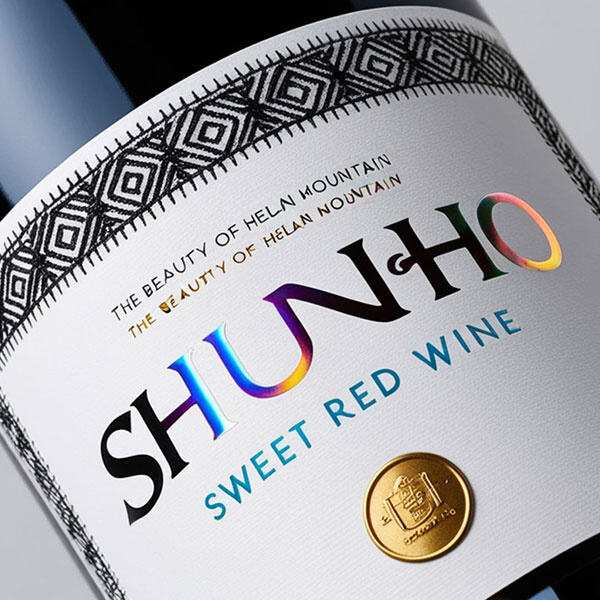
The Importance of Reading Wine Labels The labels on bottles of wine are extremely important as they offer you pertinent information when selecting that bottle. If you know the geographical region, vintage, varietal and alcohol level, it can tell you a lot about whether or not you are going to like it. Also, the general description of the wine gives you an idea of which wine to choose so that it can complement well with the food you plan on eating or event in your life that is coming up.
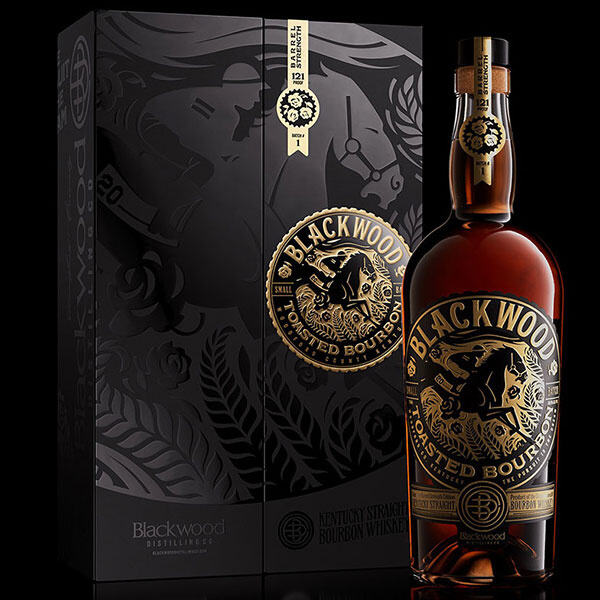
There are a few key elements to look for on a wine label. Check the region in which the grapes were grown — Q: Why is it bad. Are you a fan of wines from a specific area, such as California, France, or Italy? Each area can yield different flavors. Next, consider the year. While not all vintages are created equal, you can go search for wines from a particular year or vintage if that is your favorite. And understanding the grape type is also key to ensuring that you pick a wine that falls in line with your taste preferences. If you enjoy sweet wine, for example, seek for a Riesling or Moscato. Lastly, pay attention to the alcohol content that can go from light to heavy. For instance, perhaps light wines are tastier and refreshing whereas heavier wines have more strong styles.
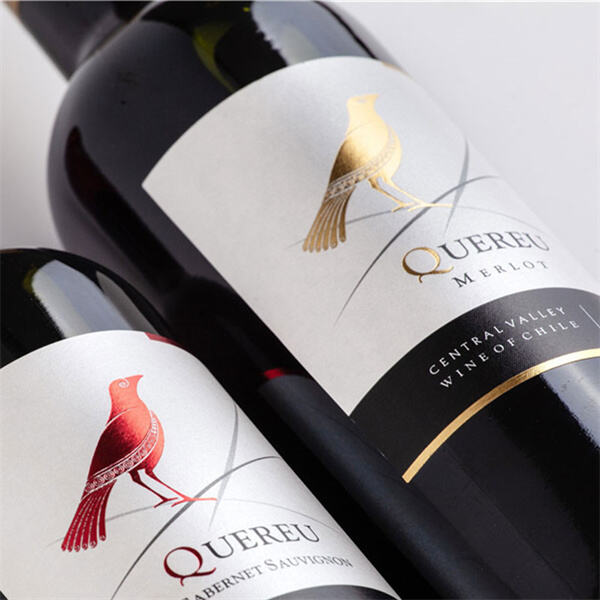
A wine label contains useful details about the contents of a wine bottle. With this knowledge, you can select the right wine for your palate. If you like a light-bodied or full-bodied wine, dry or sweet, space (a place on this soil), the label of the bottle of wine would help you perfect for all different types of use - dine in exclusive meals with food and drink friends.
With FSC, label on wine bottle, FDA 21 CFR 176.170, (EU) No 10/2011, TUV OK COMPOST HOME, RECYCLABLE, ISO 9001/14001/45001, CNAS, PATENTS and other environmental protection certificates
Over label on wine bottle years of foreign trade experience. The annual capacity of production for laser paper could reach around 200, 000 tons.
The languages supported are English, Spanish and Japanese.Offer complete solutions starting from label on wine bottle to finished products.
The majority of customers are from the world's label on wine bottle 500 companies
 EN
EN
 EN
EN