Do you love food? Meantime eating can be very delicious and fun! Have you ever thought about how your food is packaged? The packaging of food is extremely important. Today, we will discuss something extremely essential: eco friendly food packaging! Shunho Creative is trying to educate you about what good food packaging looks like — that is kinder to our planet. We’ll talk about its importance, how it helps preserve food and what we can do to be healthier.
Have you ever heard of the environment? The environment is everything that sustains us: plants and animals, air and water. Our Earth is our home so it is really crucial to save the environment. For us, good food packaging is building packages that don’t harm the Earth. When we eat food many times the packages are wasted which can cause many problems for our planet. They can clog landfills and harm wildlife. Shunho Creative cares about the Earth, and we want to make packaging that is food safe and also safe for nature. So we can keep our planet clean and healthy by using good packaging!
Do you like fresh food? Fresh food tastes more delicious and is better for your health! The good news is, Special packaging ensures that your food stays fresh for longer. Some of these packages are made with some pretty nifty technology that keeps air and moisture away from the food. That means the food will remain interesting and delicious much longer. You work at Shunho Creative: You create clever, imaginative packaging designs that help keep food fresher for longer. We are pleased to produce packaging that is beneficial for you and the planet. When food stays fresh that means less food waste, another way we can give back to the planet!”
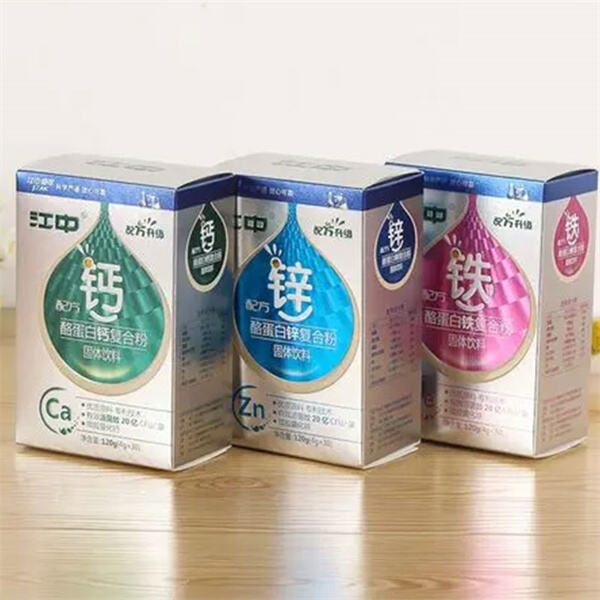
Plastic packaging is everywhere, and although we observe it in a number of locations, it can be injurious to our health. Plastic can leak chemicals that aren’t always good for our consumption. This is important to know as we want to be healthy! Plastic can sometimes also fragment into tiny bits known as microplastics. The dangerous part is that these small parts can be consumed by animals. Shunho Creative creates packaging better for the environment to help you and the planet stay healthy. We use more secure alternatives to typical plastic. A careful selection of packaging can bring a positive impact on our health as well as the wellbeing of our planet!
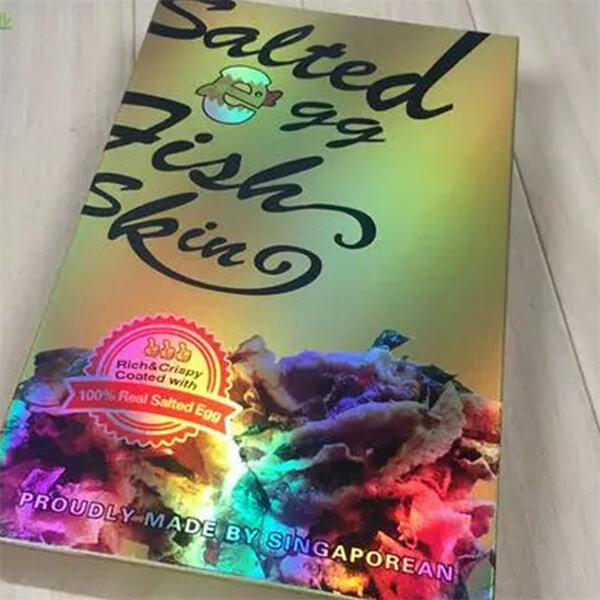
Do you ever look at the labels on food? Those labels are known as nutrition facts, and they tell us what is in our food. It is vital to comprehend the constituents of your diet in order to make the right choices. For instance, nutrition labels let you know how many calories are in a food item, how much sugar it has and what types of vitamins it has. At Shunho Creative, we want to encourage you to live healthier providing the nutrition facts in the packaging easy to read. We also want you to know what you are eating! If you know what the figures on nutrition labels mean, you can make good choices and eat foods that are good for you and help you grow strong.
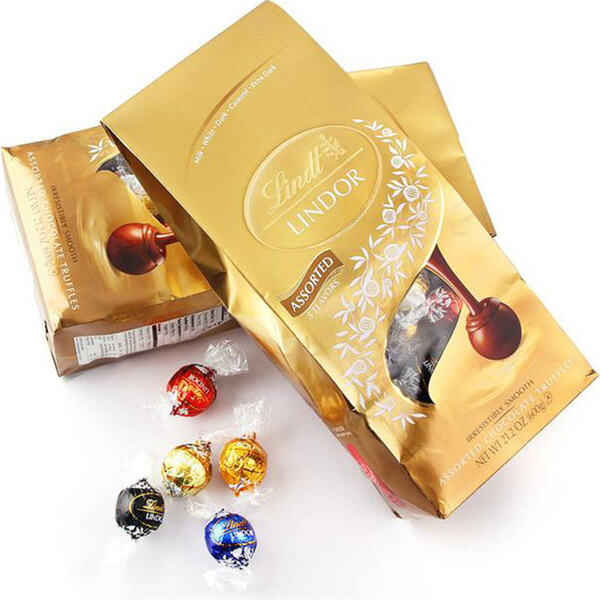
Do you know what makes up your food’s packaging? Plastic sometimes (but also other, more environmentally friendly, options)! Taking care of the planet also means using materials that are Earth-friendly. You make some eco-friendly choices with paper, cardboard, and materials sourced from plants such as corn or sugarcane. In other words, they get better because they are easier to decompose when disposed of. At Shunho Creative, we’re using these materials to create packaging that is better for the Earth, and for food. By choosing eco-friendly packaging we are doing our part in helping the planet and ensuring our future is brighter!
The languages supported are English, Spanish and Japanese.Offer complete solutions starting from food packaging to finished products.
With FSC, REACH, FDA 21 CFR 176.170, (EU) No 10/2011, TUV OK COMPOST HOME, RECYCLABLE, food packaging, CNAS, PATENTS and other environmental protection certificates
food packaging of the customers come from the world's best 500 companies
food packaging production of laser paper can exceed the 200, 000 ton mark per year.
 EN
EN
 EN
EN