Shunho Creative applies cold foil printing and specialize in making packaging glossy and beautiful. It adheres a thin piece of foil to the surface of the material. Cold foil printing uses a sticky glue to apply the foil, unlike hot foil printing, where heat and pressure are used. That makes it cost-effective and faster as well, which is why a lot of people prefer using it for their packaging requirements. Cold foil is another option for helping products to shine out from the other, more basic printing methods.
Cold foil printing has many different colors available. The foils include a variety of colors including shining silver, bright gold, rainbow colors, and even colors that change with the angle you view them. This leads to designers being quite creative and selecting just the right shades to suit the product they are packaging. It can print detailed images, such as fine lines and small alphabets. Frosting on top of the 3D look as well, that makes it more informal packaging and can easily grab the gaze of people when on Retail shelf. Cold foil also has a lower energy consumption and generates less waste than hot foil printing methods, so it's an intelligent choice for environmentally conscious businesses.
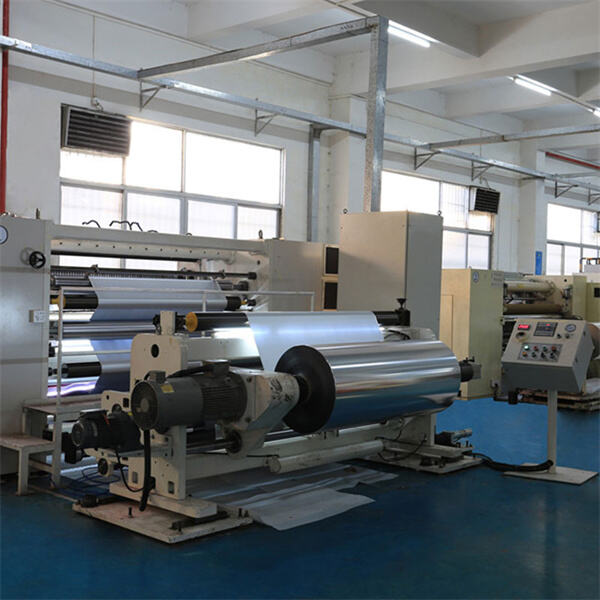
Cold foil printing begins with a roll of paper (or plastic) stock. A roll of this material is processed through a printing machine that assists in applying the foil. The first step in this process is to add a layer of glue on the material's surface. Next, this is sandwiched with a thin sheet of foil, the shiny side up, on top of the glue. Pressure is applied as the material moves in the machine, allowing the glue to get attached to the foil. After this, should there be any remaining foil it is literally picked off, and what you have left is a shiny and very appealing product. This method enables rapid and efficient printing of numerous packages, making it suitable for firms requiring high-volume packaging production.
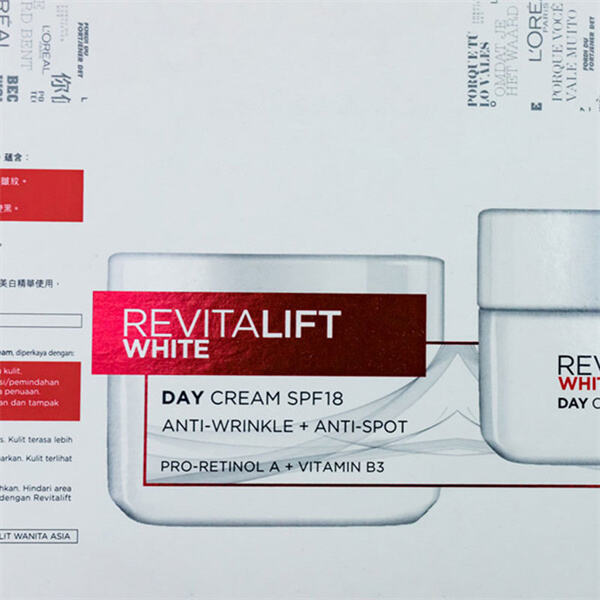
Using Appropriate Material is vital for successful Cold Foil printing As good as the choices are in paper and plastic, some synthetics probably would not be appropriate to enter into this process. It is important to apply the proper amount of glue and the proper amount of pressure to achieve a permanent adhesive bond between the foil and the substrate. As designers, there are some amazing patterns and beautiful designs out there but it is worth doing a proof on the design to ensure it will work with the cold foil stamping. In this manner, they can prevent blunders and still receive the finest outcomes for their packaging.
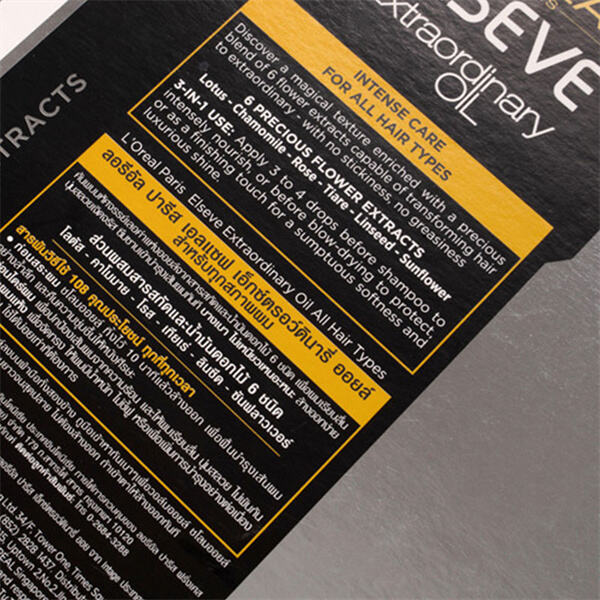
When it comes to making any product packaging feel special and visually striking, cold foil printing can do exactly that. The designs are interesting and unique with print technology to print good features and benefits. This process makes a brand noticeable in a crowded market where many similar products exist. Its shiny foil reflects light and draws people's attention, literally wanting to pick the product up and take a closer look. If customers receive a product with beautiful packaging, they will remember it more and will pick this product over others.
With FSC, REACH, FDA 21 CFR 176.170, (EU) No 10/2011, TUV OK cold foil printing process, RECYCLABLE, ISO 9001/14001/45001, CNAS, PATENTS and other environmental protection certificates
Languages supported include English, Spanish and Japanese.cold foil printing process solutions from materials to final products.
The production of cold foil printing process paper can be as high as the 200, 000 ton mark per year.
Most cold foil printing process the clients come from the world's most prestigious 500
 EN
EN
 EN
EN