Once, even when you opened a fizzy drink, you might notice a ton of different labels! It had colorful pictures of mountains, even cute animals, and fantastic dragons on it! But do you know how much work goes into a beer bottle labels? This is a textual example on how beer labels are made, beer labels importance, and the possibility beer labels to make the drink stand out in the crowd in the shop.
Who will drink the beer is one of the first things to consider when designing a beer label. Are you brewing beer for adults who like a good drink, or are you looking at younger folks who may be into fun flavors? This can alter what the label looks like and what it contains. Something else to consider is the name of the beer. Is it a name that is catchy and fun to say and easy to remember? A good name is attention grabbing, and makes people curious to try it. Finally, be creative but be careful as well. A beer label should be interesting, attention grabbing, and unique but it also needs to abide by rules in order to not offend anyone.
Beer has a long, long history behind it, and so do holographic papers! Beer labels used to be boring — few colors, nothing fancy. But over time, labels grew increasingly colorful and creative. Labels in the 1800s had gorgeous pictures of nature, animals, and people doing various things. Art Nouveau, a new style that became popular in the early 1900s. This design utilized organic shapes and smooth lines so the labels appeared more artistic. Labels got simpler during the Great Depression, and emphasized legibility and readability, ensuring the name of the beer connected with the consumers. By the 1960s labels became colorful and crazy, displaying the fun and adventurous spirit of the period. Now a days, beer labels can be anything from cartoon characters to elaborate and beautiful artwork!
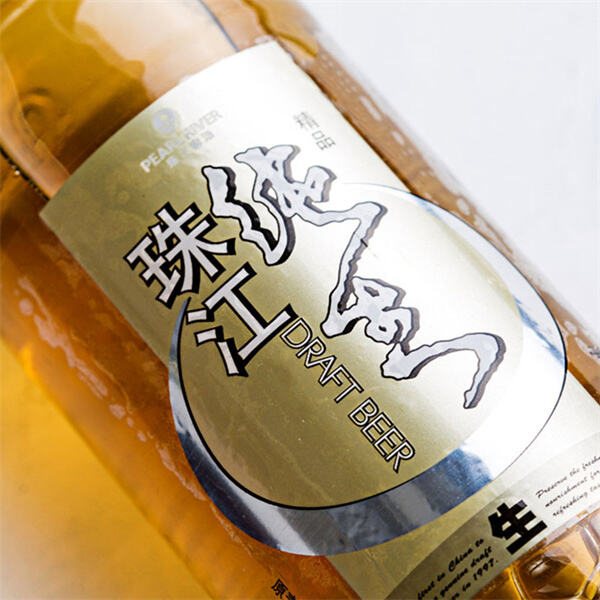
A story can exist on a beer label about the contents of the bottle. Another example would be a label that is too plain AND too generic, where there is nothing to grab peoples attention and make them want to try the beer. Instead, consider who your audience is and what they enjoy. Do they enjoy craft beer with interesting profiles, or are they casual drinkers looking for something crisp? Is your beer playful and casual, or is it more formal and classy? The answers to these questions should inform the art and design on the label. You can describe the beer's taste and ingredients which can help customers choose which beer to try next!
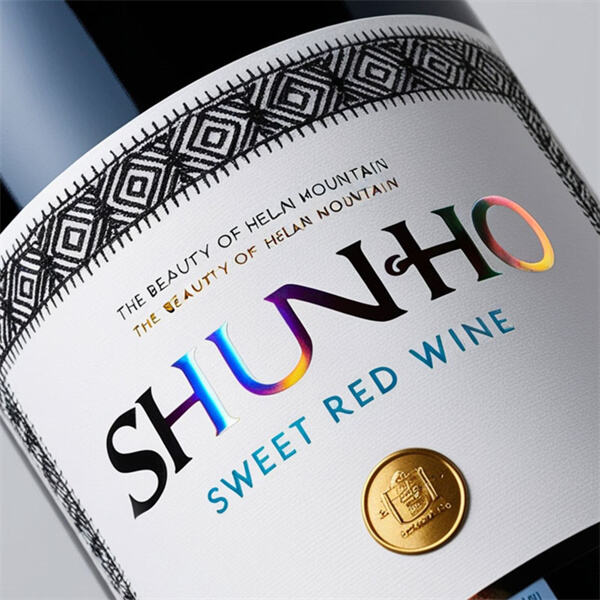
Colors and fonts are vital to the beer label design. The right colors excite people’s feelings and get their attention instantly. Beer labels often employ fun and bold colors so that they pop on the shelf and catch the attention of the buyer. A boring label will get lost amongst other labels and hence might not be seen. The label fonts should remain readable, but also special and unique in appearance. Thus a uniform fontdoneset of characteristics come back in each beer that the cusThey'll recogThis will remember your brand.
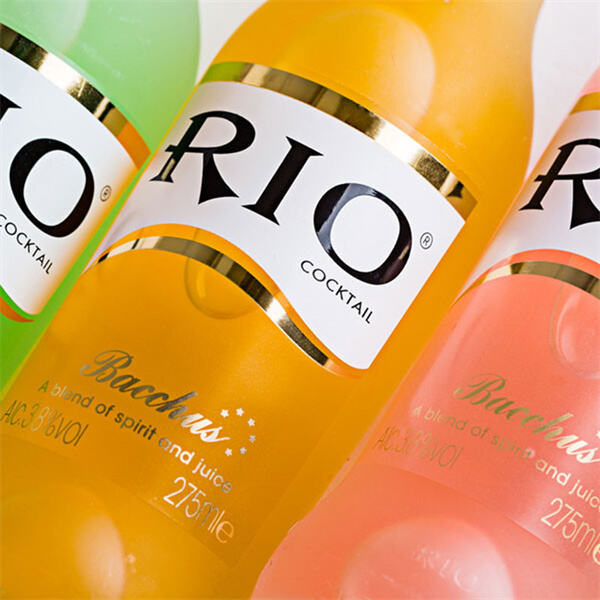
There are rules when it comes to beer labels, and it's good to know these rules before you make a label. The rules can vary — and in some places they’re being debated — but they generally involve things like how large the text and images can be, how much alcohol can be included in the drink and which health warnings must be on the label. Before you finalize your beer label design, be sure to research these rules in your area. You do not want to print too many labels, only to realise that you cannot use them!
With FSC, REACH, FDA 21 CFR 176.170, (EU) No 10/2011, TUV OK COMPOST HOME, RECYCLABLE, beer label, CNAS, PATENTS and other environmental protection certificates
English, Spanish, Japanese, beer label and other languages are supported.Support complete solutions, from materials to final items.
Over 20 years of international trade experience. The beer label of production for laser paper is around 200, 000 tons.
Most of the customers come beer label the world's best 500 companies
 EN
EN
 EN
EN